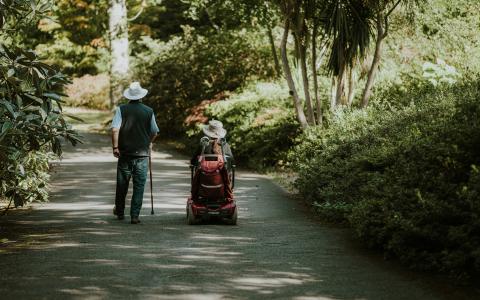
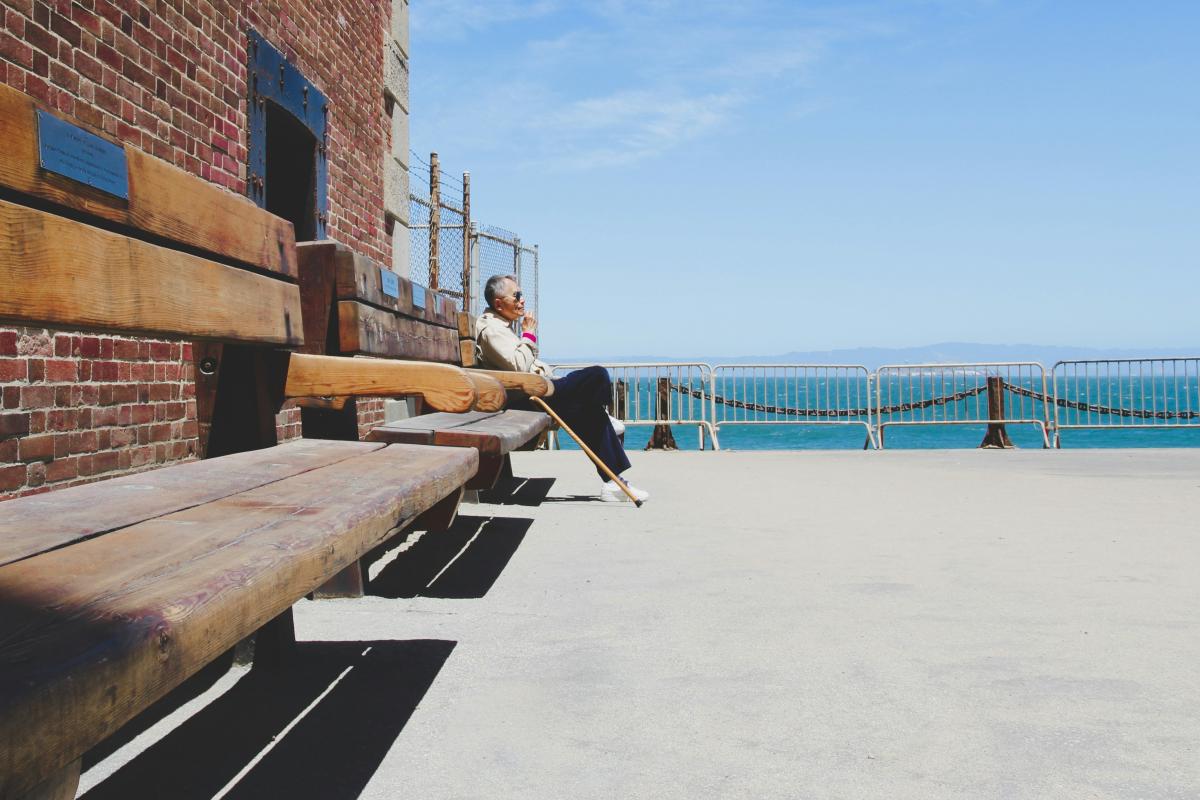
For many older people, the hardest part of the day is not a chore or an ache — it is the silence. Hours pass with no one to greet, no voice in the hallway, no hand to steady a cup of tea. Loneliness rarely announces itself, yet it shapes how an elder eats, sleeps, and heals.
Across the neighbourhoods we serve, more than a third of the seniors on our register live entirely alone. Many go days without a meaningful conversation. The effects are quiet but real: appetite fades, worries grow louder at night, and a small fall can go unnoticed for hours. Companionship, it turns out, is not a luxury added on top of care — it is the foundation everything else rests on.
"The first week Margaret visited, I realised I hadn't said my own name out loud in four days. Now Tuesdays are the day I tidy my hair and put the kettle on early."
How a single weekly visit changes things
A carer's visit is rarely dramatic. It is a shared pot of tea, a walk to the post office, help reading a letter from the council, a reminder to take the right tablet at the right time. Yet repeated each week, these small moments rebuild something fragile: the sense that one still belongs to the world outside the front door.
- A familiar face who notices changes in mood, mobility, or appetite early.
- Gentle encouragement to stay active, eat well, and keep medical appointments.
- A trusted link back to family, neighbours, and local services.
- Above all, the simple reassurance of being expected — and missed.
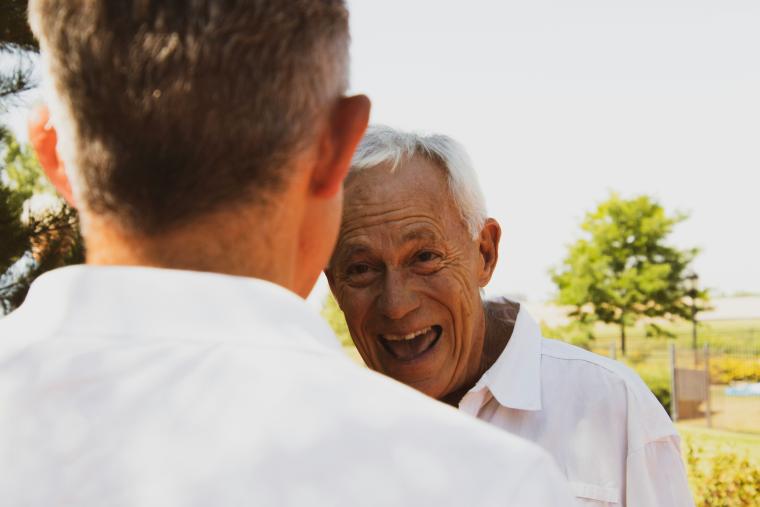
You can be that weekly visit
Our carers are ordinary people who give a few hours each week. We provide the training, the introductions, and the ongoing support — you bring the patience and the company. If you have ever wondered whether you have the time to make a difference, the honest answer is that it takes far less than you think. Find out how to become a carer.
An elder near you is hoping that this week, someone knocks. It could be you.